


Churn is one of the biggest challenges marketers face. Customers leaving means lost revenue and higher costs to win new ones. That’s why learning how to use AI product analytics is becoming a necessity.
AI spots patterns in customer behavior that humans might miss. AI product analytics doesn’t just measure past behavior. It can predict future outcomes by identifying early warning signs, like reduced engagement or decreased activity.
Read this article to learn how to use AI product analytics to identify and avoid potential churn.
How to Use AI Product Analytics to Prevent Churn in 8 Steps
Customer churn is an issue in all industries. According to a recent Recurly report, the digital media and entertainment industry is among the worst-hit, with an average churn rate of 5.36%.
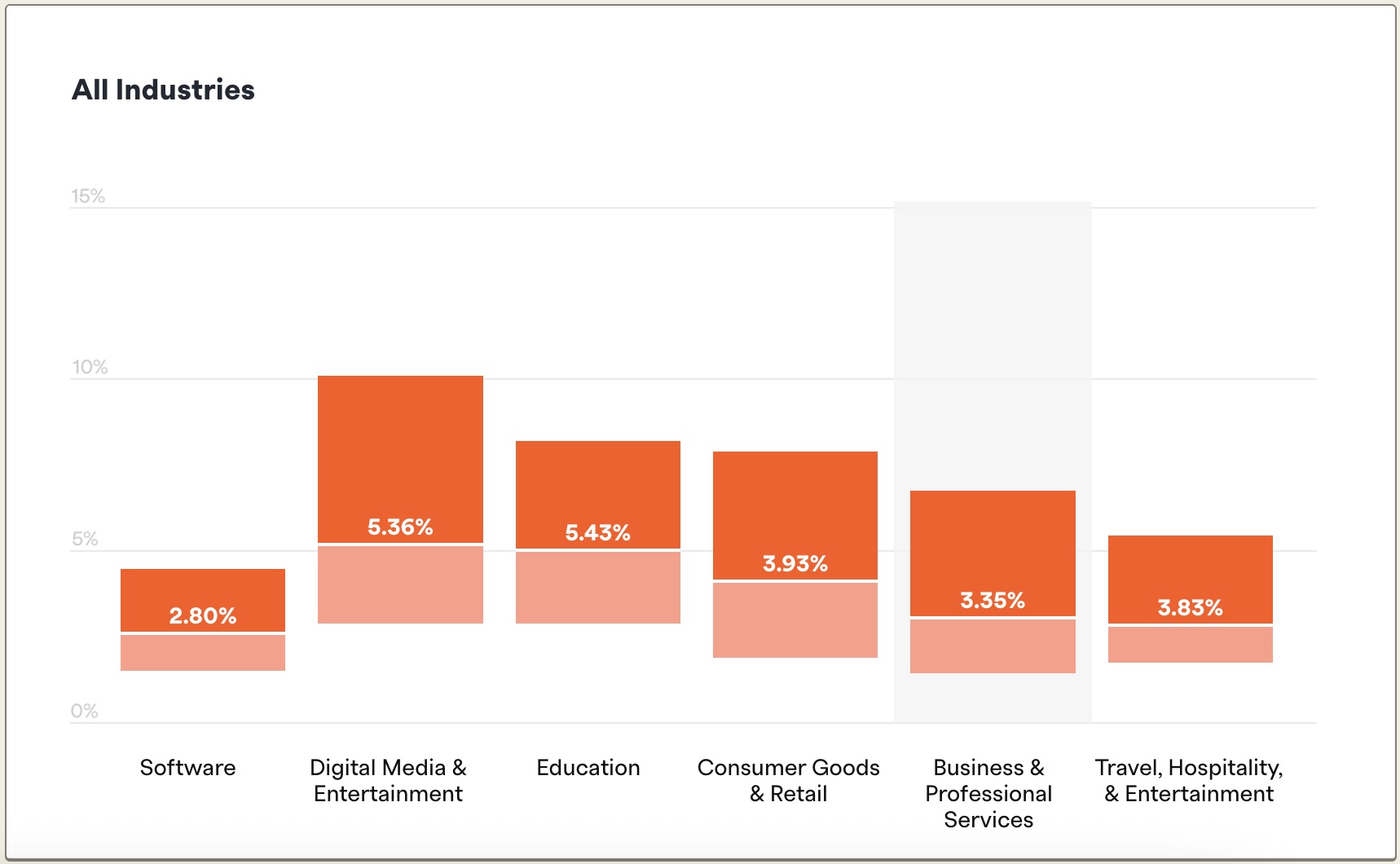
You can learn how to use AI product analytics to prevent churn and lower your rate. Here’s how.
1. Collect and Organize Product Usage Data
The first step in learning how to use AI product analytics is gathering clean and structured data. Messy or incomplete data leads to unreliable predictions.
Tracking product usage, such as logins, clicks, session times, and feature adoption, provides a clear view of customers’ behavior. This information helps AI models to work properly.
2. Detect Early Warning Signs
Next, you need to spot churn before it occurs. AI can identify patterns, such as fewer logins, longer breaks between sessions, or a drop in feature usage.
These signals often show that a customer is losing interest or facing obstacles. If you catch these early, your team has time to act and take proactive measures.
This is far more effective than relying on outdated historical data and taking action retrospectively.
3. Identify Key Metrics and Behavior Patterns
Not all data points are equally important when trying to predict churn. Learning how to utilize AI product analytics involves focusing on key metrics that are crucial for customer retention.
For example, engagement frequency, session duration, or whether customers adopt key features can separate loyal users from those at risk. AI looks for shifts in these patterns and builds models around what signals churn the most.
By focusing on behaviors that actually impact customer retention, you can allocate resources more effectively and develop the right strategies.
4. Segment Customers By Risk Level
Segmentation is the process by which AI categorizes customers based on their likelihood of churning, providing a clear picture of who needs attention first.
High-risk customers can be flagged for immediate outreach, while medium or low-risk users just need periodic engagement.
This kind of segmentation makes it easier to decide where to focus your retention efforts. You’re not isolating some customers, you’re simply identifying which groups are at risk so you can better manage customer lifecycles.
5. Launch Targeted Engagement Campaigns
The next step involves running targeted campaigns. AI helps identify which customers need a nudge and determines the type of outreach that is most likely to be effective.
This could be a personalized email or a special offer. Campaigns driven by data are more effective than broad messages because they respond to actual behavior.
Once you understand what’s driving users away, designing strategies that address these issues directly is easier.
Targeted campaigns not only re-engage drifting customers but also demonstrate that you understand their needs, which in turn increases loyalty.
6. Personalize Retention Strategies
A significant advantage of learning how to use AI product analytics is that it helps you with hyper-personalization. AI can use sentiment analysis to suggest actions based on customer behavior and intent, as illustrated below.
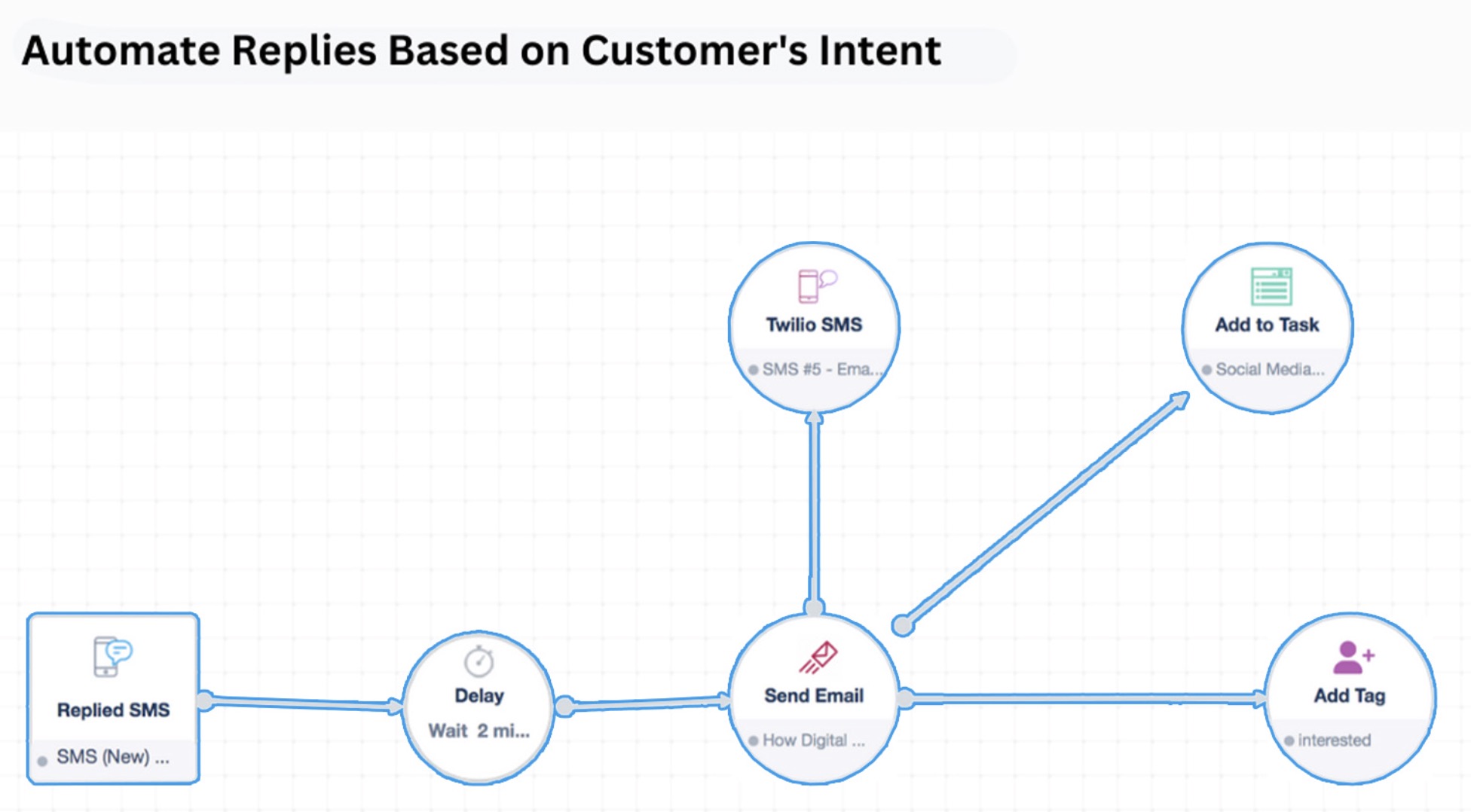
One user may benefit from a feature recommendation, while another may require hands-on support like a one-on-one product or service guidance. Some may respond to special pricing or loyalty perks.
You can customize online certificates to give them a modern design for your online certificates, which you can share with your customers to help alleviate doubts about your authenticity. It allows them to develop trust in your brand.
Personalized actions feel more relevant and show customers that you value their individual experiences.
7. Improve Product Features With AI Insights
Another benefit of knowing how to use AI product analytics is that it can guide product improvements through feature prioritization.
AI can identify which features customers use most frequently and which ones cause frustration or are abandoned. This information helps teams focus on winning back customers with the right reengagement strategies.
Furthermore, it can flag friction points that push customers away, and by acting on these signals, you can improve both retention and satisfaction.
In a nutshell, strong products keep customers coming back, and AI makes it easier to decide what to fix or expand.
8. Continuously Monitor And Refine Models
Finally, understand that learning how to use AI product analytics isn’t a one-time process. Customer behavior changes, and so should your prediction models.
Teams should monitor results closely, track what works, and adjust predictions over time.
The more you refine your models, the more reliable they become. By keeping AI tuned and aligned with real customer behavior, you build a process that continuously protects retention and keeps your marketing efforts focused.
FAQ
1. What is AI product analytics, and how does it help prevent churn?
AI product analytics uses artificial intelligence to track and analyze customer behavior patterns. These include logins, feature usage, and session times. It uses this data to predict future outcomes by spotting early warning signs of churn.
2. Which customer behaviors are the strongest indicators of churn?
Common signs include fewer logins, longer breaks between sessions, reduced feature usage, or shorter engagement times.
Conclusion
Customer churn isn’t just about numbers dropping; it’s about watching hard-earned relationships slip away. That’s why learning how to use AI product analytics can save you trouble down the road.
Instead of only telling you what has already happened, it highlights subtle changes that suggest when a customer might be drifting. Spotting these signs early allows you to step in when it matters most.
So, implement these tips for your business and watch how things turn out.
Don’t forget to share this article
Related articles
Nothing found.